
What is the Latest in Sleep Monitoring Technology for Buyers?

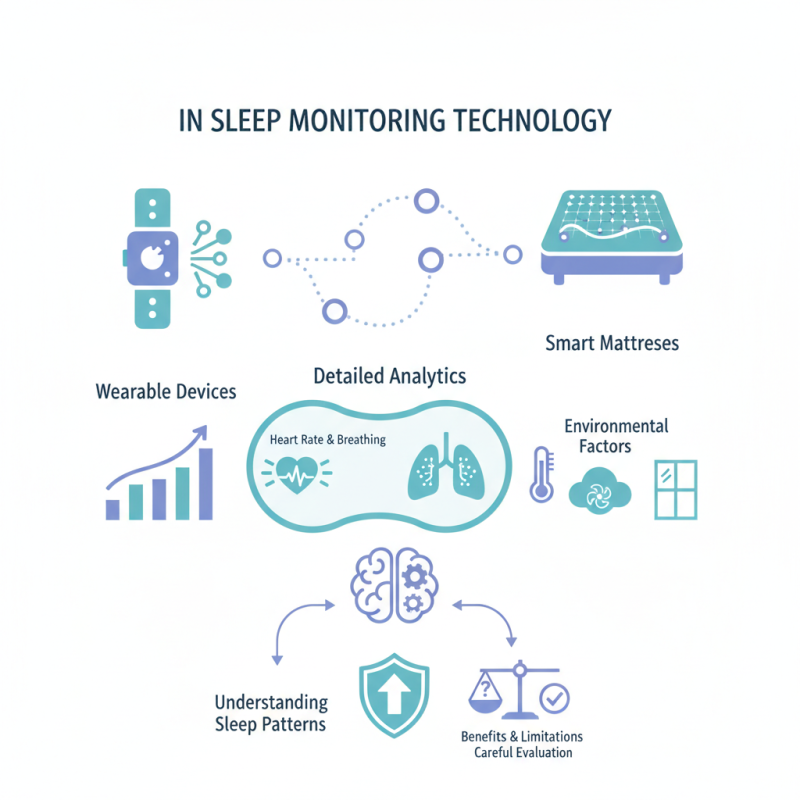
The realm of Sleep Monitoring Technology has witnessed remarkable advancements in recent years. From wearable devices to smart mattresses, these innovations aim to enhance our understanding of sleep patterns. Sleep monitoring technology offers users insights into their sleep quality and duration, promoting healthier habits.

Consumers are increasingly drawn to devices that provide detailed analytics. Many tools now track heart rate, breathing patterns, and even environmental factors like room temperature. These features empower users to make informed decisions about their sleep environment. However, not all products deliver equally reliable data, highlighting the need for careful evaluation.

It's essential to recognize both the benefits and limitations of sleep monitoring technology. Some devices may overstate their accuracy, leading to frustration. Users can find it challenging to navigate the multitude of options on the market. As technology evolves, staying informed is crucial for making the best choices regarding sleep health.
What is the Latest in Sleep Monitoring Technology for Buyers?

Latest Advances in Sleep Monitoring Devices: An Overview

Sleep monitoring technology has rapidly advanced in recent years, offering users a wealth of options. Many devices now feature sensors that track heart rate, breathing patterns, and even movement during sleep. These enhanced capabilities provide valuable insights into sleep quality, helping individuals make informed decisions about their rest habits.

Wearable technology has become increasingly popular in this realm. Smartwatches and fitness bands often include sleep tracking features. They can monitor duration and stages of sleep, presenting users with a detailed analysis. However, the accuracy of these measurements can vary significantly. Some users may find discrepancies between their perceived sleep and recorded data.

Bedside apps and smart mattresses are also emerging innovations. Many interfaces allow users to control the environment, adjusting lighting and temperature. This integration can enhance sleep quality. Yet, reliance on technology may lead to excessive data interpretation. It’s important to balance insights with personal experiences. Without mindful reflection, one might become overwhelmed by the numbers, losing sight of the basic need for rest.

Types of Sleep Monitoring Technologies Available in the Market

Sleep monitoring technology has evolved significantly, offering various tools that help individuals track and improve their sleep quality. The market features three primary types of sleep monitoring technologies: wearable devices, non-wearable devices, and smart home systems. Wearable devices, such as fitness trackers, record sleep patterns through movement and heart rate. According to a recent report, over 20% of consumers now use wearables for sleep tracking.

Non-wearable devices include under-mattress sensors and dedicated sleep monitors placed on nightstands. These systems can provide insight into sleep stages by analyzing body movements and respiration without direct contact. Many users appreciate the convenience of non-wearables, as they require no input from the user during sleep. However, some studies indicate that accuracy may vary, leading to potential misunderstandings of sleep quality.

Smart home systems integrate sleep monitoring features with other home automation devices. For instance, smart alarms can analyze sleep data to wake users at optimal times. While promising, these systems face challenges like privacy concerns and reliance on consistent data collection. As sleep technology continues to advance, consumers should weigh the benefits and shortcomings to choose the best fit for their needs.

Key Features to Look for When Buying Sleep Monitors

When considering sleep monitors, buyers should focus on essential features that can enhance their sleep quality. A recent report from the Sleep Research Society indicates that over 30% of people experience sleep disturbances. This highlights the importance of choosing the right technology.

One of the key features to look for is heart rate monitoring. Reliable devices track your heart rate variability, helping you assess stress levels during sleep. Additionally, tracking sleep stages is crucial. Sleep cycles consist of REM and non-REM stages, and understanding these can provide insights into your sleep health. According to the National Sleep Foundation, understanding these stages can help improve your overall sleep quality.

Another important aspect is connectivity. Many devices now sync with smartphones for easy data access. Users can review their progress over time. However, data accuracy varies. It's essential to pick devices that are backed by clinical validation studies. A report from the American Academy of Sleep Medicine notes that not all consumer sleep monitors provide reliable data. Look for those that offer detailed analytics, but be cautious of reliance on technology. It’s important to reflect on how these devices affect overall sleep habits.

What is the Latest in Sleep Monitoring Technology for Buyers? - Key Features to Look for When Buying Sleep Monitors

Feature Description Importance
Heart Rate Monitoring Tracks heart rate throughout the night to assess sleep health. High - Essential for understanding sleep quality.
Sleep Stages Analysis Monitors deep, light, and REM sleep to provide insights on sleep cycles. High - Helps identify patterns and issues affecting sleep.
Snore Detection Detects snoring and provides feedback on how to reduce it. Medium - Useful for users with snoring issues.
Smart Alarm Wakes you up at the optimal time in your sleep cycle. High - Can make waking up feel more natural and less groggy.
Mobile App Integration Connects with apps for detailed tracking and sharing data. High - Enhances user experience and data management.
Sleep Environment Sensors Measures room temperature, light, and noise levels. Medium - Offers insights on optimizing sleep environment.
Battery Life Duration the monitor can operate before needing a recharge. High - Longer battery life means less frequent interruptions.

Top Brands and Products Leading in Sleep Technology Innovations

In recent years, sleep monitoring technology has made significant strides. The market is flooded with various devices designed to enhance sleep quality. Key innovations often focus on accuracy and user-friendly features. Advanced sensors now track heart rate, breathing patterns, and even environmental factors. These metrics help users understand their sleep cycles better.

Many top brands have introduced smart mattresses and wearable devices. Some products are equipped with sleep-tracking algorithms. They analyze data to suggest improvements. Users can adjust room temperature and lighting through compatible apps. This integration helps create an optimal sleeping environment. However, user experiences can vary. Some people may find data overwhelming. Others might struggle with the accuracy of readings.

While innovation is rapid, some features might not be fully developed. For instance, sleep tracking can sometimes lead to anxiety about performance. It's crucial for users to approach these technologies with a dose of skepticism. Discussing findings with healthcare professionals may enhance understanding. Overall, staying informed about the latest advancements allows buyers to make educated decisions.

Future Trends in Sleep Monitoring Technology for Consumers

The landscape of sleep monitoring technology is rapidly evolving. New sensors are emerging that track not only sleep duration but also sleep quality. According to a recent industry report, the global sleep tech market is projected to grow from $78 billion in 2023 to over $100 billion by 2028. This growth reflects increasing consumer awareness of sleep’s impact on health.

Wearable devices have taken a front seat in this evolution. Advanced algorithms analyze sleep cycles, providing users with detailed insights. Some devices now incorporate heart rate variability and body temperature readings. Research shows that quality sleep boosts cognitive performance and emotional stability. Yet, not all consumers accurately interpret this data. Misunderstanding results can lead to anxiety about sleep, creating a paradox.

Future trends indicate a shift toward more personalized solutions. Emerging artificial intelligence models promise tailored recommendations based on individual sleep patterns. However, dependency on technology can complicate the natural sleep process. Balancing tech use with mindful practices is essential for achieving restorative sleep. As the industry grows, consumers must remain critical of how this technology fits into their lives.

Future Trends in Sleep Monitoring Technology for Consumers

This chart illustrates the projected market growth of various sleep monitoring technologies. As consumer interest in health and wellness grows, the demand for innovative sleep solutions is expected to rise significantly across wearables, apps, and smart devices.