Essential Tips for Using an Arterial Line Kit Effectively?
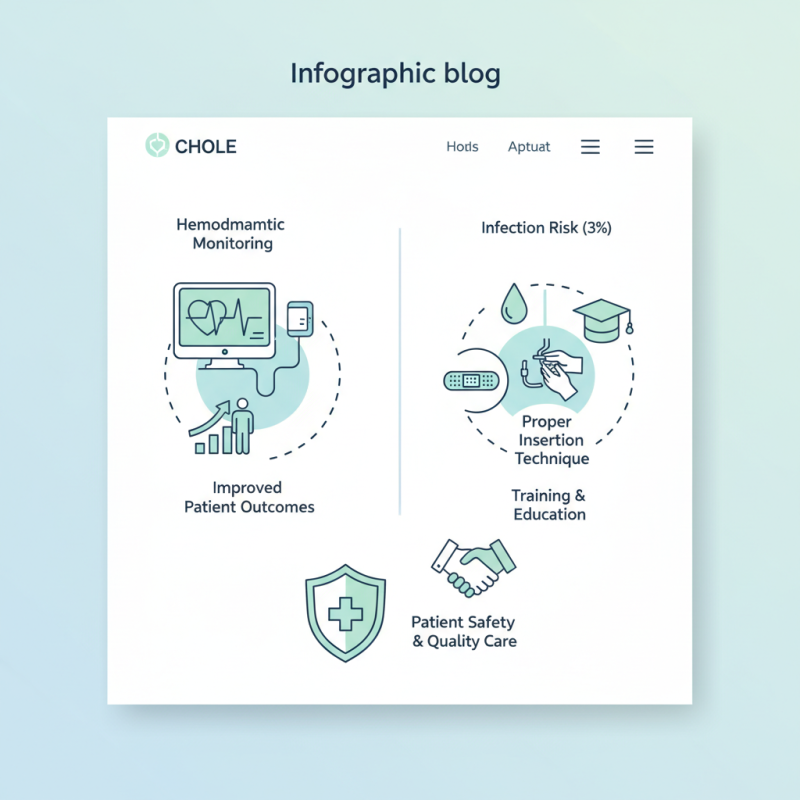
The arterial line kit is crucial in critical care settings. This kit allows healthcare professionals to monitor patients' hemodynamic status accurately. According to a report by the Journal of Clinical Monitoring and Computing, arterial lines improve patient outcomes by providing continuous blood pressure monitoring. This is essential for managing severe conditions.
Using an arterial line kit effectively requires training and attention to detail. Complications can arise, even with proper techniques. For instance, a study published in Intensive Care Medicine noted a 3% risk of infection associated with arterial line placements. Understanding these risks helps healthcare providers to mitigate them through better practices.
Attention to hygiene and proper insertion technique can minimize complications. A survey showed that 30% of healthcare workers felt unprepared to use these kits. Therefore, ongoing education and experience are vital. Mastering the use of an arterial line kit is not just beneficial; it is necessary for improving patient safety and care quality.
Understanding the Components of an Arterial Line Kit
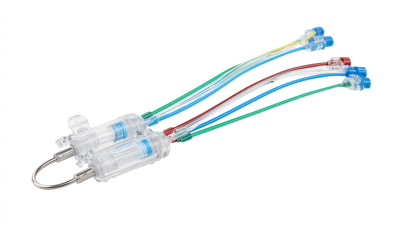
An arterial line kit is essential in critical care. Understanding its components is key to using it effectively. Each kit typically contains a catheter, pressure monitoring tubing, and a transducer. The catheter is inserted into the artery. This allows for real-time blood pressure monitoring. It can also draw blood samples efficiently.
Proper setup of the kit is crucial. Ensure all components are sterile. Check for kinks in the tubing. A simple kink can lead to inaccurate readings. The transducer should be placed at heart level. This placement affects the accuracy of blood pressure readings. It’s easy to overlook this detail, but it’s vital.
If problems arise, reflect on the setup. For example, if readings are erratic, inspect the connections. Sometimes, a small air bubble can disrupt flow. Take a moment to troubleshoot. It’s better to spend time fixing issues than to act on incorrect data. Regular maintenance and checks can enhance the efficacy of your arterial line kit.
Essential Tips for Using an Arterial Line Kit Effectively
| Component | Description | Usage Tips |
|---|---|---|
| Arterial Catheter | A thin tube inserted into an artery to measure blood pressure and obtain blood samples. | Ensure proper site cleaning before insertion and maintain sterility to prevent infection. |
| Pressure Transducer | Device that converts pressure from the catheter into an electrical signal for monitoring. | Calibrate regularly for accuracy and keep connected lines free of air bubbles. |
| Saline Flush | Sterile saline solution used to flush the catheter and maintain patency. | Flush regularly to avoid clot formation and monitor flow rates. |
| Connecting Tubing | Flexible tubes that connect the catheter to the pressure transducer. | Ensure connections are secure to prevent leaks and monitor for kinks. |
| Hemostasis Valve | Keeps the system closed when not actively sampling or flushing blood. | Check functionality during setup to prevent blood loss and ensure accurate readings. |
Preparing the Patient for Arterial Line Insertion
Preparing a patient for arterial line insertion requires careful attention to detail. Start by explaining the procedure clearly. This helps to alleviate anxiety. Patients often feel apprehensive about needles and catheters. Address this with empathy and patience.
Next, assess the patient's medical history. Look for any issues that could complicate the procedure. For instance, a history of bleeding disorders may require additional precautions. Make sure to discuss any medications that might affect clotting. It’s important to have this conversation early on.
Positioning the patient is another critical step. Ensure they are comfortable and relaxed. Adjust their arm so it is easily accessible. At times, the positioning might not provide the optimal angle; be prepared to adjust as necessary. Remember to apply a tourniquet only if needed. Give the skin a thorough cleanse, but watch for skin reactions. Pre-procedure measures can seem straightforward yet are often overlooked. Being mindful of these details can make a significant difference in outcomes.
Step-by-Step Procedure for Inserting an Arterial Line
Inserting an arterial line is a crucial skill in emergency and critical care. Start by preparing your supplies: arterial line kit, sterile gloves, and antiseptic solution. Ensure that the environment is clean and well-lit. It’s essential to maintain aseptic technique throughout the procedure to minimize the risk of infection.
Position the patient comfortably, ensuring easy access to the radial or femoral artery. Palpate the artery and apply ultrasound guidance if available. This increases your chances of successful cannulation. Insert the needle at a 30-45 degree angle and watch for a flashback of blood. If you miss, reassess the angle and reattempt rather than forcing the entry.
Secure the line properly after insertion. Use appropriate dressing to prevent contamination. Regularly check for blood flow and possible complications like thrombosis or infection. Reflect on each attempt, identifying what went well and what didn’t. Every procedure offers a learning opportunity. Managing an arterial line requires both practice and attention to detail.
Monitoring and Maintaining the Arterial Line After Insertion
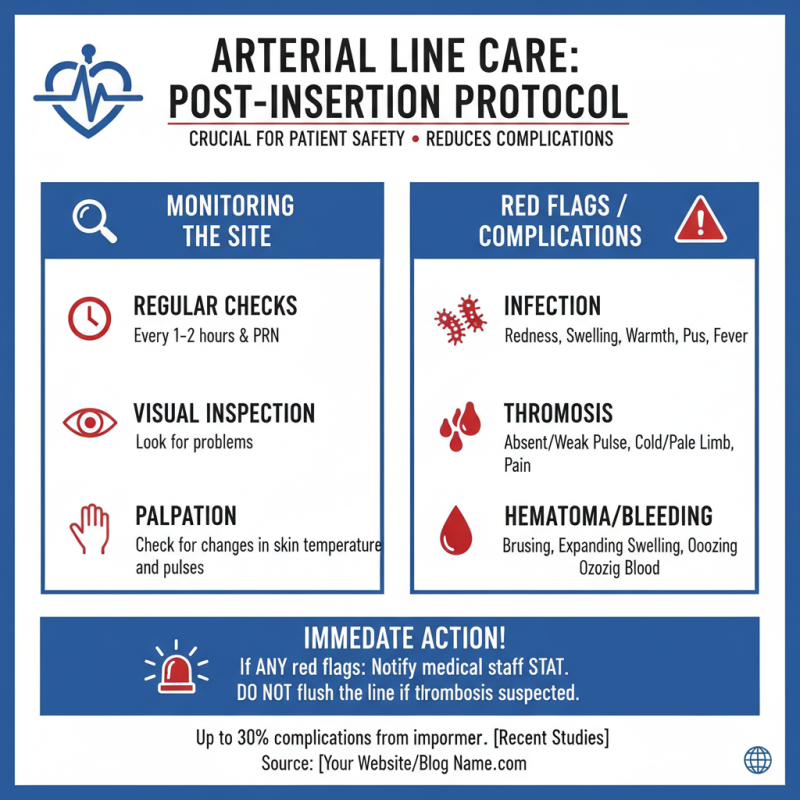
Monitoring and maintaining an arterial line after insertion is crucial for patient safety. According to recent studies, improper management can lead to complications in up to 30% of cases. Regular checks of the insertion site are essential. Look for signs of infection or thrombosis. Redness, swelling, or increased pain can indicate problems.
Flushing the arterial line at least every hour maintains patency. Use a normal saline solution, ensuring a proper technique to avoid air bubbles. Inadequate flushing can lead to occlusion, which may result in inaccurate blood pressure readings. Studies report that incorrect pressure readings occur in almost 15% of monitored patients.
Documentation of pressure readings must be diligent. Keeping an accurate log not only helps in patient management but also supports legal and ethical practices. Misinterpretation of data can have serious ramifications. Nurses should double-check the pressure transducer’s calibration regularly to ensure accuracy. The responsibility does not end with insertion; ongoing vigilance is paramount.
Troubleshooting Common Issues with Arterial Line Use
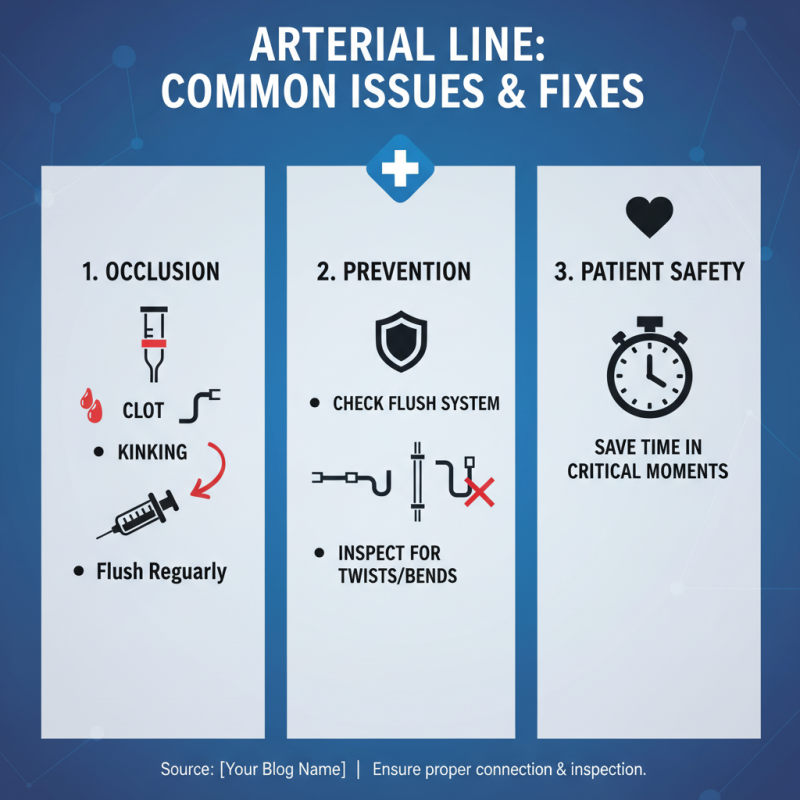
Troubleshooting common issues with arterial line use is critical for patient safety. One frequent problem is the occlusion of the line. It can happen due to a clot or kinking. Regularly flushing the line can help prevent this issue. Always ensure the flush system is connected properly. Inspect the line for any visible twists or bends. These small checks can save valuable time during critical moments.
Another common issue involves inaccurate readings. If the pressure readings are unstable, check for air bubbles in the tubing. Air can interfere with pressure measurements. Make sure the transducer is positioned correctly at the patient's heart level. It’s easy to overlook this detail, but it’s essential for accurate monitoring. Sometimes, recalibrating the transducer can resolve discrepancies.
Lastly, patient discomfort is worth addressing. Ensure the arterial line is properly secured. An insecure line can lead to movement and pain. It’s essential to communicate with the patient throughout the process. Small adjustments can make a big difference in comfort. Always reflect on these aspects. Continuous learning from each experience can help improve overall practice and patient outcomes.
Related Posts
-
2025 Top 5 Arrow Arterial Line Kits for Enhanced Patient Care and Safety
-
2026 Best Arrow Arterial Line Kit for Efficient Medical Use?
-
Understanding Three Way Stopcocks: Their Types, Uses, and Importance
-

10 Essential Tips for Using Hydrophilic Coating Catheters Effectively?
-

Essential Tips for Understanding Heart Biopsy and What to Expect
-
10 Essential Tips for Choosing HSG Catheters Efficiently?